“Transaction Check® gave me peace of mind. I love knowing each transaction is verified before approval, it adds an extra layer of control I didn’t know I needed.”

Laura B.
London
Note: Complete Transaction Check® setup by December 5, 2025 unless you purchased a Ledger Stax™, Ledger Flex™, Ledger Nano X, Ledger Nano S, or Ledger Nano S Plus after September 30, 2025. In that case, it is already pre-configured, and no action is needed.
Transaction Check is a security feature for Ledger devices that simulates crypto transactions, identifying potential threats before you sign.
Bitcoin, Ethereum, USDT, Solana and more...




















With Ledger Live, it's possible to manage and stake your digital assets, all from one place
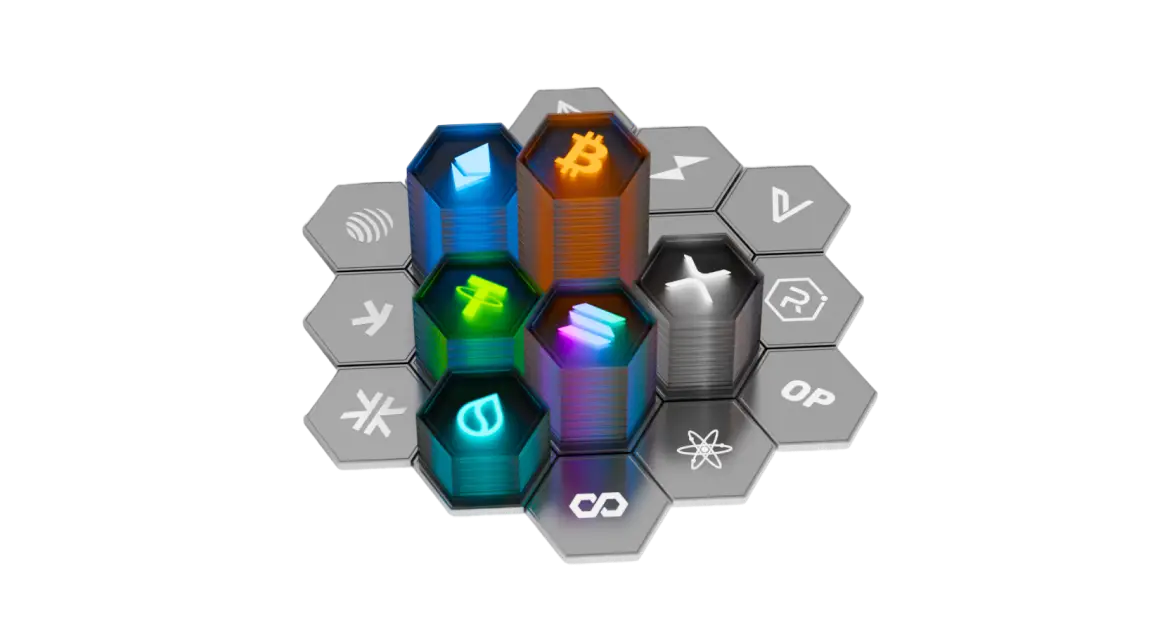
Ledger Live can be used to connect your hardware wallet to cryptoasset and fiat on-ramps.
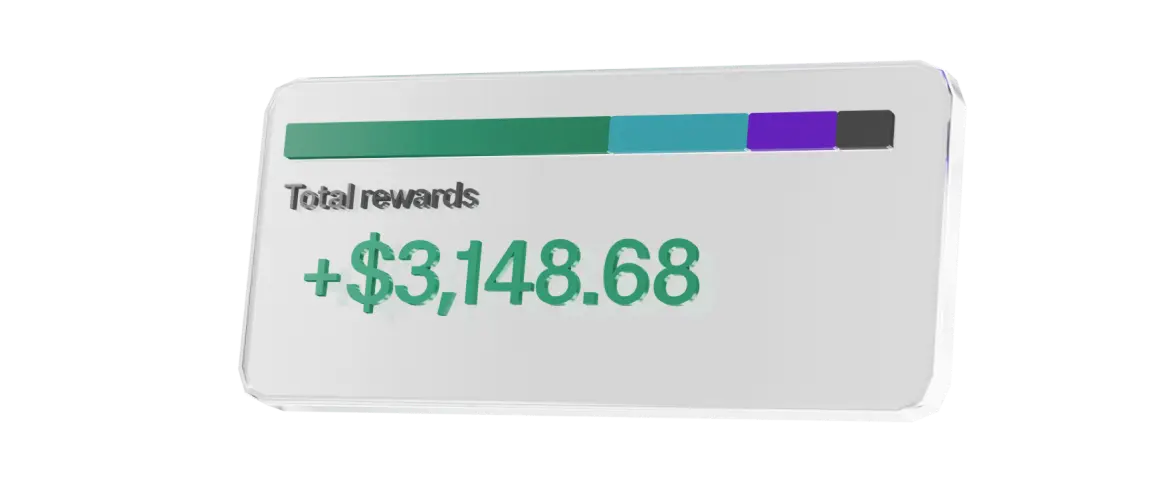
It is possible to get rewards by staking ETH, SOL, ATOM, ADA and several other coins and tokens.
Browse and compare a wide range of services and providers.
Ledger hardware wallet secures more than 50 software wallets
“Transaction Check® gave me peace of mind. I love knowing each transaction is verified before approval, it adds an extra layer of control I didn’t know I needed.”
“I received a letter from Ledger reminding me to enable Transaction Check® before the deadline. I'm glad I did, the setup was simple, and it’s now part of my daily wallet routine.”

“Since enabling Transaction Check®, I feel more secure when managing my assets. It's like having a second set of eyes on every transaction.”

“The activation process was straightforward and transparent. I approve transactions with confidence now — no surprises.”

Find answers to some of the most common questions.
Transaction Check® is a new Ledger security feature that proactively analyzes before you sign them. It uses simulation technology, machine learning, and real-time threat detection to assess potential risks.
This helps protect you from scams, malicious contracts, and other transaction-based threats by giving you a clear risk assessment before approval.
While no system can guarantee 100% threat prevention, Transaction Check® significantly reduces risk by flagging suspicious activity and providing insights before you sign.
It leverages blockchain simulations, threat modeling, and community data to give a probabilistic risk assessment—helping you avoid common traps like fake token swaps or malicious contract approvals.
Yes, if you own a Ledger Nano S Plus, Nano X, Stax™, or Flex™, you must enable Transaction Check® by December 5, 2025 to avoid interruptions.
However, if you purchased a Ledger Stax™ or Ledger Flex™ after September 30, 2025, Transaction Check® is already configured, no action needed.
Failing to enable Transaction Check® could lead to:
No. Transaction Check® requires a secure internet connection to send your unsigned transaction to external simulation providers.
However, all sensitive operations like key handling and signing still happen within the Secure Element, ensuring your private keys remain offline and secure at all times.